
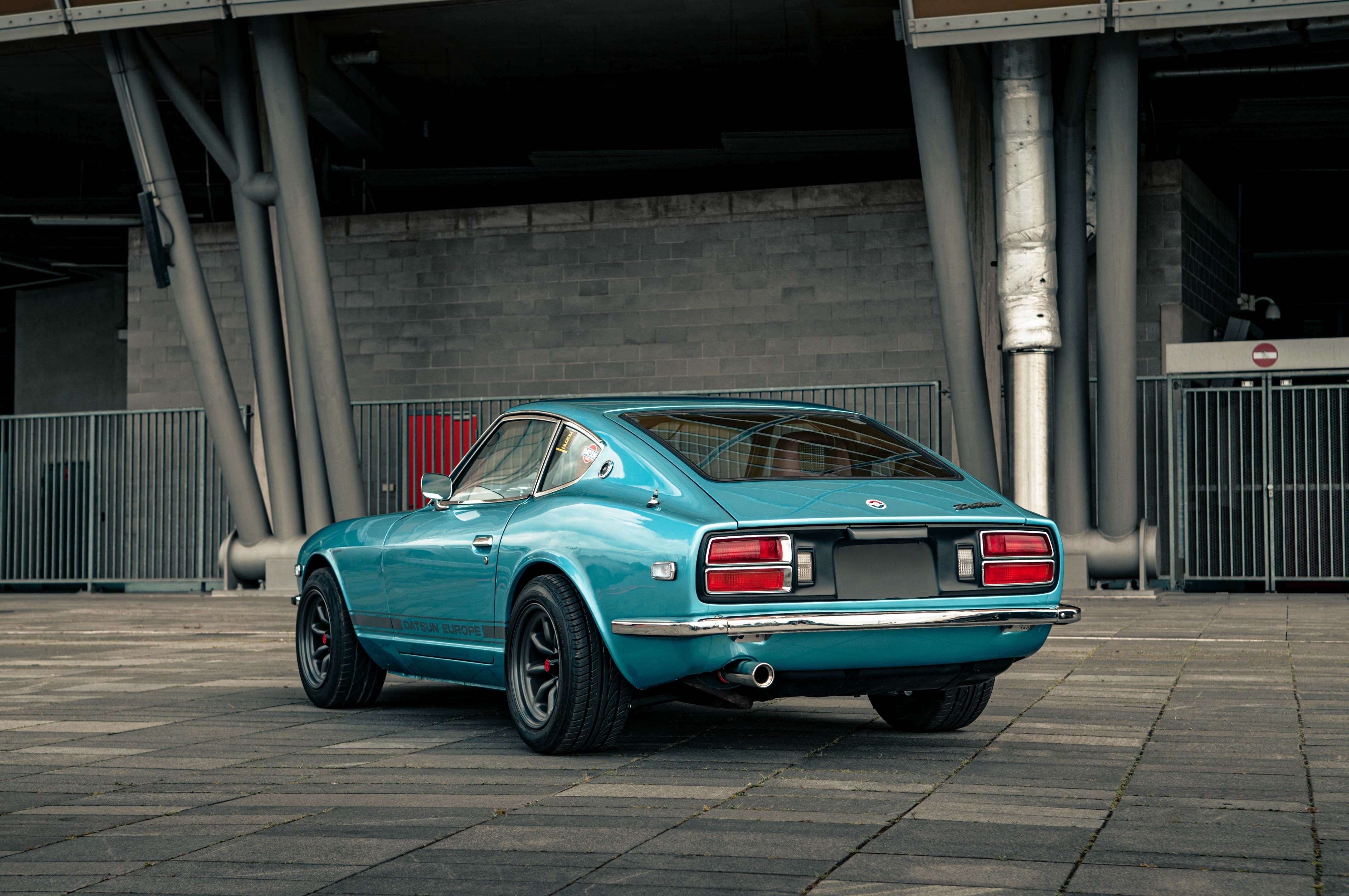
The Datsun 240Z restomod movement isn't just a trend. It's a revolution in how we approach classic car ownership. While maintaining the iconic sports car's vintage soul and timeless design, modern restomod builds deliver far superior performance, reliability, and comfort compared to what was available in the 1970s. Whether you're a purist seeking subtle improvements or a builder pushing the boundaries with cutting-edge upgrades, the 240Z restomod scene offers endless possibilities for creating your dream Fairlady Z.
In this comprehensive guide, we'll explore how modern technology (particularly 3D printing and precision-engineered components from specialists like Lunar Loox) enables enthusiasts to preserve the S30 chassis's legendary character while integrating contemporary performance and convenience features that make these cars viable for daily driving and weekend thrills alike.

Why the Datsun 240Z is the Perfect Restomod Platform
The Foundation: Timeless Design Meets Simple Engineering
The Datsun 240Z, which originally retailed at just $3,500 in 1970, became a hit with American drivers due to its impressive performance, unique styling, and affordable price point. The S30 chassis offers several advantages that make it ideal for modern upgrades:
Lightweight Architecture: The original 240Z weighs approximately 2,400 pounds, providing an excellent power-to-weight ratio foundation. Modern restomod 240Z builds can maintain or even reduce this weight while dramatically increasing power output.
Robust Chassis: The unibody construction, while requiring attention to rust prevention, provides a solid platform for modern suspension and powertrain upgrades. Many builders strip the chassis inside and out before reinforcing it with modern techniques like stitch-welding, creating a foundation that can handle significantly more power than the factory L-series engine produced.
Aftermarket Support: Decades of enthusiast development mean that virtually every component of the 240Z can be upgraded or replaced with modern alternatives, from suspension geometry to brake systems to complete powertrain swaps.
Visual Appeal: The long hood, short deck proportions and flowing bodylines remain stunning more than 50 years after the car's debut. This design allows for subtle modern touches without losing the essence that makes the 240Z special.
The Restomod Philosophy: Evolution, Not Replacement
The best restomods don't feel like modified cars. They feel like evolutions, optimized versions that maintain the original character while addressing the shortcomings of 1970s engineering. This philosophy guides every successful Datsun 240Z restomod project.
Three Approaches to 240Z Restomods
Subtlety-First Restoration: This approach focuses on addressing functional weaknesses while maintaining period-correct aesthetics. Think modern fuel injection disguised behind triple carburetors, upgraded brake components hidden within stock-appearing calipers, and discrete interior improvements that don't scream "modified."
Balanced Restomod: The most popular approach blends visible modern upgrades with classic styling cues. Examples include Alcantara-wrapped dashes paired with period-correct gauge layouts, Recaro seats with vintage-style headrests, and modern LED lighting in original housings. This balance appeals to enthusiasts who want modern performance without sacrificing the 240Z's vintage character.
Full Modern Interpretation: Some builders take the 240Z platform to extremes with widebody kits, bespoke LED lighting, carbon fiber components, and massive wheel/tire combinations wrapped in modern semi-slick rubber. These builds prioritize performance and head-turning aesthetics while maintaining the recognizable 240Z silhouette.
Modern Tech Integration: Where Innovation Meets Classic Soul
Powertrain Options for Modern Datsun Z Builds
Keeping it Original (With Enhancements): Unlike many restomodded Datsuns that feature SR or RB engine swaps, some builders resist modern motor retrofits, instead keeping the original inline-six L-series architecture. The stock 240Z's 2.4-liter straight-6 can be upgraded to a 2.8-liter stroker configuration, producing over 310 horsepower (nearly double the stock output) through extensive head porting, custom camshafts, and modern fuel delivery systems.
The SR20 Solution: The turbocharged SR20DET from Nissan Silvias offers a popular swap option, providing modern reliability and tuning potential while maintaining Japanese inline-four heritage. With bolt-on upgrades, these engines easily achieve 300+ horsepower while maintaining excellent fuel economy and emissions compliance.
RB Power: The RB25DET inline-six from Nissan Skylines represents the ultimate in-family upgrade, with examples making 526 horsepower and 620Nm of torque through turbocharger upgrades and modern engine management. The inline-six configuration maintains the balance and character of the original L-series while delivering supercar-level performance.
Suspension and Chassis Modernization
Modern suspension packages for the 240Z restomod include coilovers fitted with performance springs, upgraded sway bars, adjustable control arms, reinforcement braces, and custom mounting solutions. These comprehensive upgrades transform the handling characteristics while maintaining the communicative steering feel that made the original car special.
Key Suspension Upgrades:
- Adjustable coilover systems with multiple damping settings
- Polyurethane or spherical bearing bushings for precise control
- Modern sway bars with adjustable end links
- Chassis reinforcement through strut tower braces and floor stiffening
- Performance alignment specifications optimized for modern tire technology
Braking Systems: Stopping Power for Modern Performance
The original 240Z disc/drum brake setup was adequate for 150 horsepower but becomes dangerously inadequate with double or triple that output. Modern restomod 240Z builds incorporate big brake kits that provide far superior stopping power and safety, especially at speed. Four-piston calipers, larger rotors, and modern pad compounds transform braking performance while maintaining aesthetic compatibility with period-correct wheel designs.
The 3D Printing Revolution: Custom Parts for Classic Cars
How 3D Printing Changed the Datsun Z Aftermarket
3D printing has allowed classic car builders to step out of traditional manufacturing methods and design parts at a considerably faster and more complex level, creating components that cannot be found or are very expensive to replicate. For Datsun Z owners, this technology has been transformative.
Advantages of 3D-Printed Interior Components:
Unobtanium Replacement: Original Nissan discontinued many 240Z interior parts decades ago. 3D printing enables enthusiasts to recreate broken parts like climate control knobs, door latch cups, center vent fins, and mounting brackets that are otherwise unavailable.
Custom Fitment: Every 240Z has slightly different needs based on modifications and intended use. 3D printing allows for custom gauge pod brackets, phone mounts, switch panel integrations, and cable management solutions tailored to specific builds.
Design Iteration: Unlike traditional manufacturing that requires expensive tooling, 3D printing enables rapid prototyping. Designers can test fit, modify, and re-print components until achieving perfect fitment and function.
Material Selection: Modern 3D printing materials include options like PETG for heat resistance, ASA for UV resistance in exposed locations, flexible TPU for grommets and seals, and even carbon fiber-reinforced nylon for structural components.
Lunar Loox: Precision Engineering Meets 3D Innovation
Lunar Loox has emerged as a leader in precision-engineered Datsun Z interior upgrades, combining traditional CNC machining with cutting-edge 3D printing technology. Their approach exemplifies how modern manufacturing techniques can enhance classic cars without compromising authenticity.
Signature Lunar Loox Products:
Billet Aluminum Dash Panels: CNC-machined from solid aluminum blocks, these panels offer aerospace-grade durability with period-appropriate styling. Available in multiple finishes (brushed, polished, or anodized), they dissipate heat better than original plastic while providing mounting solutions for modern gauges and switches.
3D-Printed Switch Pods: Custom switch panels allow integration of modern conveniences like electric cooling fans, fuel pump priming, auxiliary lighting, and turbo timers. Lunar Loox designs use period-appropriate fonts and styling so even multi-switch panels appear factory-integrated.
Custom Gauge Bezels: 3D-printed gauge clusters and mounting solutions enable builders to integrate modern digital gauges or maintain stock analog appearance while upgrading to accurate modern movements.
Controller Mounts and Accessories: Smartphone integration, GPS mounting, wireless charging pads, and cable management solutions designed specifically for the 240Z interior architecture.
The OEM+ Aesthetic: Modern Function, Period-Correct Form
One major advantage of 3D printing for restomod builds is the ability to directly integrate functional structures like vents, mounting points, and reinforcement ribs during the design phase, ensuring perfect fitment between different components. This capability enables what enthusiasts call the "OEM+" approach: upgrades that look like they could have come from the factory.
Design Philosophy for 3D-Printed Components:
Texture Matching: Modern 3D printing can replicate the grain patterns and surface textures of original 1970s interior plastics, allowing replacement parts to blend seamlessly with surviving original components.
Color Coordination: Enthusiasts can print interior components in colors matching their specific interior schemes, then apply appropriate finishes or paints for perfect integration.
Functional Enhancements: While matching original appearance, 3D-printed parts can incorporate hidden improvements like integrated wiring channels, reinforced mounting points, and optimized ergonomics.

Interior Upgrades: Where Modern Meets Vintage
Dashboard and Console Transformation
Where many restomods skimp on interior details, the best builds feature show-quality craftsmanship with modern touches like Alcantara-wrapped dashes, custom gauge installations, and discreet technology integration while maintaining a classic aesthetic.
Modern Dashboard Solutions:
Gauge Cluster Options: Digital gauge clusters that fit within original housings provide accurate readings with customizable displays. Custom gauge graphics designed specifically for individual builds create a bespoke appearance while maintaining period-appropriate styling.
Climate Control Upgrades: Modern HVAC systems with improved efficiency can be retrofitted while maintaining original control aesthetics. Advanced restomod builds incorporate air conditioning and modern heater conversions with barely-there controls that don't compromise the vintage dashboard appearance.
Hidden Technology: Bluetooth audio systems, amplifiers, and USB charging ports can be integrated invisibly, maintaining clean dashboard aesthetics while providing modern convenience.
Seating: Comfort Without Compromise
Premium restomod interiors feature modern performance seats like Recaro LX models with Alcantara center sections and fine leather bolsters, combining modern support with period-appropriate headrest designs. This approach delivers lateral support for spirited driving while maintaining the vintage aesthetic that defines the 240Z cabin.
Seat Upgrade Strategies:
Reupholstered Originals: For purists, original 240Z seats can be rebuilt with modern foam and premium materials while maintaining factory appearance and mounting points.
Period-Correct Aftermarket: Brands like Recaro offer vintage-styled seats with modern internal construction, providing excellent support without looking out of place.
Custom Mounting: Proper seat installation may require custom brackets, which can be 3D-printed for prototyping before final fabrication in steel or aluminum.
Lighting Technology: LED Without Losing Character
Exterior Lighting Modernization
Bespoke LED headlights and taillights represent a modern touch that dramatically improves visibility and safety while maintaining the 240Z's distinctive lighting signature. The key is thoughtful integration that respects original design intent.
LED Conversion Best Practices:
Headlight Upgrades: Modern LED projector retrofits provide dramatically improved nighttime visibility while fitting within original housings. Proper beam patterns prevent blinding oncoming traffic, a common problem with cheap LED conversions.
Tail Light Enhancement: LED arrays can replicate original incandescent patterns while adding modern sequential turn signals or improved brightness for safety.
Interior Illumination: LED upgrades for interior lighting (including gauge backlighting, footwell illumination, and dome lights) improve visibility without the heat generation of incandescent bulbs.
Color Temperature Considerations
Choosing appropriate LED color temperatures preserves the vintage atmosphere:
- 3000K (Warm): Mimics original incandescent appearance
- 4300K (Neutral): Modern OEM look without appearing too clinical
- 6000K+ (Cool): Creates a high-tech aesthetic but can feel anachronistic
Wheels and Tires: Where Rubber Meets Restomod Road
Modern restomod builds often feature staggered wheel setups like 17×11.5-inch fronts and 18×13-inch rears wrapped in contemporary performance tires. However, wheel selection represents one of the most visible and debated aspects of 240Z restomods.
The Wheel Size Debate:
Period-Appropriate Sizing: Traditional builders favor 14-15 inch wheels with vintage designs like Watanabe 8-spokes or period-correct racing wheels. This maintains proportions while accepting modern performance tires in appropriate sizes.
Modern Performance: Larger 17-18 inch wheels accommodate modern high-performance brakes and tires but can overwhelm the 240Z's delicate proportions if not carefully chosen.
The Middle Ground: Many successful builds use 16-inch wheels, large enough for modern tire technology and brake clearance while maintaining visual balance.
Technology Integration: Smart Features, Invisible Implementation
Audio and Connectivity
Modern restomod 240Z builds incorporate conveniences like DAB radio, central locking, and barely-there power-assisted steering without compromising the vintage driving experience.
Hidden Audio Systems:
Amplifier Placement: Modern Class D amplifiers are compact enough to hide under seats or behind trim panels, providing excellent sound quality without visible modifications.
Speaker Upgrades: Door speakers can be upgraded to modern coaxial designs while maintaining original grille appearance.
Head Unit Alternatives: Bluetooth receivers hidden behind the dash eliminate the need for modern head units, preserving original radio aesthetics or clean delete panels.
Navigation and Device Integration
Smartphone Mounting: Lunar Loox and similar manufacturers offer adjustable mounts designed specifically for the 240Z dash architecture, providing secure phone positioning for navigation without permanent modifications.
Wireless Charging: 3D-printed console inserts can integrate Qi wireless charging pads, maintaining clean surfaces while providing modern convenience.
Camera Systems: Backup cameras and dash cams can be discreetly integrated for safety and documentation without compromising exterior aesthetics.
Building Your Restomod 240Z: Planning and Execution
Setting Your Vision and Budget
Modern restomod trends focus on updating classic cars with state-of-the-art technology, modern materials, and cutting-edge design tweaks while retaining familiar lines and nostalgic allure. Success requires clear planning:
Define Your Goals:
- Daily driver with modern reliability?
- Weekend toy with track capability?
- Show car balancing aesthetics and performance?
- Investment vehicle maintaining resale value?
Budget Realistically:
- Basic functional refresh: $15,000-$30,000
- Comprehensive restomod: $50,000-$100,000
- Full custom build: $100,000-$250,000+
The Importance of Documentation
Top restomod builders use 3D scanning and printing to meticulously design and shape custom components, merging classic and modern aesthetics with precision fitment. Professional documentation includes:
Photography: Document every stage of disassembly, modification, and reassembly. These photos prove invaluable during reassembly and add value if selling.
Parts Tracking: Maintain detailed records of every component, including part numbers, suppliers, and installation specifications.
Wiring Diagrams: Create clear electrical schematics showing all modifications, circuit protections, and connections.
Build Journal: Record decisions, challenges, and solutions. This information helps troubleshooting and benefits future projects.
The Future of Datsun 240Z Restomods
Electric Conversions and Hybrid Solutions
Some cutting-edge restomods incorporate hybrid systems that blend naturally-aspirated engine sound and feel with instant electric torque, creating unique driving experiences that bridge eras. While controversial among purists, EV conversions offer:
Performance Benefits: Instant torque, near-perfect weight distribution, and silent operation Environmental Considerations: Zero local emissions with modern driving capabilities Design Challenges: Battery placement, charging infrastructure, and maintaining aesthetic purity
Community and Culture
The sharp increase in Datsun owners gathering for regular meets, fun runs, and swap meets demonstrates the thriving community supporting restomod culture. Online forums, social media groups, and local clubs provide invaluable resources for builders navigating the restomod journey.
Resources for 240Z Restomod Builders:
- Z Car clubs and associations
- Online forums (ClassicZCars.com, HybridZ.org)
- Social media groups dedicated to S30 chassis
- SEMA and regional car shows featuring restomod builds
- Specialist vendors like Lunar Loox offering technical support
Conclusion: Your Classic, Your Rules
The Datsun 240Z restomod represents the perfect intersection of automotive passion and modern capability. Through careful development and thoughtful specification, builders create cars that deserve to be called evolutions rather than mere restomods: feisty but not fighting you, with classic charms capable of handling modern commuting.
Whether you choose subtle improvements that maintain originality, comprehensive upgrades balancing vintage aesthetics with modern performance, or radical reimaginations pushing the platform's boundaries, the key is staying true to your vision while respecting the 240Z's legendary character.
Modern technologies like 3D printing and precision CNC machining from specialists like Lunar Loox make it possible to achieve OEM+ quality while preserving the soul that made these cars special. With roughly fifty to hundreds of 3D-printed components becoming common in comprehensive builds, the future of classic car restoration embraces innovation while honoring heritage.
The Datsun 240Z restomod isn't about choosing between classic or modern. It's about creating something better than either alone. It's about hearing that inline-six sing, feeling the chassis communicate through your fingertips, and knowing that every system works as well as the day demands while the styling turns heads like it's 1970.
Ready to begin your restomod journey? Start with a clear vision, research thoroughly, connect with the community, and remember: the best restomod is the one that makes you want to drive, every single day.
Share:
Ultimate Guide to Datsun Z Interior Upgrades: Modern Comfort, Classic Soul
Cracked Datsun Z Dash: Every Repair Option Compared